

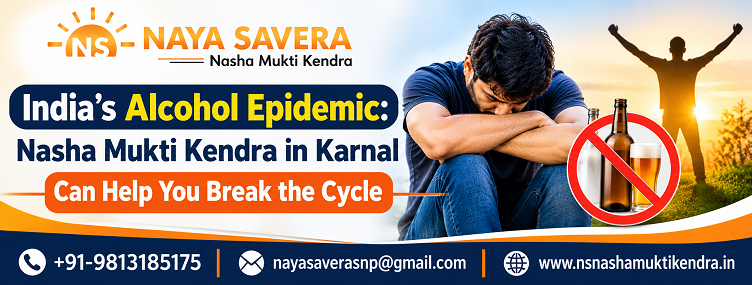
Alcohol addiction is a growing public health problem in India. It touches people, families, jobs and communities. A few drinks at first can slowly turn into a habit that's hard to stop. As time passes alcohol dependence can harm health, mental health, relationships, money matters and daily tasks.
For people seeing the problem and asking for help is the hardest part. They might try to quit on their own fall back into drinking times or find it hard to deal with cravings and withdrawal.
Professional help can change the outcome. A Nasha Mukti Kendra in Karnal can show people their drinking habits give them the treatment teach better ways to cope and guide them toward lasting recovery.
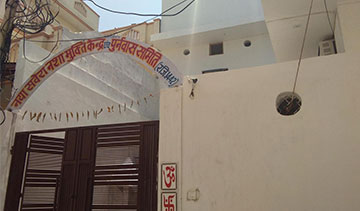
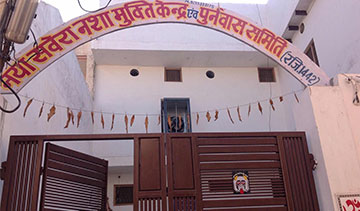
Naya Savera Nasha Mukti Kendra offers counseling and rehab, for people and families who need help in Karnal and nearby places. Their method gives guidance, a clear recovery plan and caring support.
Understanding India's Alcohol Addiction Problem
Alcohol consumption is a public health problem in India. The National Survey on Extent and Pattern of Substance Use in India carried out by the Ministry of Social Justice and Empowerment with the National Drug Dependence Treatment Centre (NDDTC) AIIMS, found that about 16 crore people between the ages of 10 and 75 drank alcohol, in the country.
The same survey said that 5.7 crore people needed help because they were drinking alcohol in a harmful or dependent way.
These numbers show that alcohol dependence must be seen as a health issue, not just a bad habit or a sign of weak willpower.
Alcohol addiction can grow slowly. A person may start drinking to relax, to socialise to handle stress or to deal with troubles. Over time more drinking can make it harder to stop.
Recognising the warning signs early. Getting professional help can stop further damage.
How Does Alcohol Addiction Develop?
Alcohol dependence does not usually develop overnight. It can involve changes in the brain's reward system, emotional responses, behaviour, and physical dependence.
Several factors can contribute to problematic drinking.
Stress and Emotional Pressure
Work-related pressure, financial difficulties, relationship problems, and personal challenges can encourage some people to use alcohol as a way of coping with difficult emotions.
Social Drinking Habits
Regular drinking with friends, colleagues, or social groups can gradually become a routine. In some cases, the frequency and quantity of alcohol consumption increase over time.
Emotional and Mental Health Challenges
Anxiety, depression, loneliness, and unresolved emotional difficulties may contribute to unhealthy drinking patterns. Alcohol can temporarily change how someone feels, but it does not address the underlying problem.
Increasing Tolerance
Some individuals find that they need more alcohol to experience the same effects they previously experienced with smaller amounts. This can be a warning sign of developing dependence.
Withdrawal Symptoms
A person who has developed physical dependence may experience uncomfortable or dangerous symptoms when they reduce or stop drinking.
This is one reason why professional medical assessment is important before attempting to quit alcohol after prolonged or heavy consumption.
Common Warning Signs of Alcohol Dependence
Recognising alcohol dependence early can help individuals and families seek appropriate support.
Some common warning signs include:
- Drinking more frequently than intended.
- Being unable to stop or reduce alcohol consumption.
- Experiencing strong cravings for alcohol.
- Neglecting work, education, or family responsibilities.
- Hiding drinking habits from family members.
- Continuing to drink despite health or relationship problems.
- Spending significant time obtaining or consuming alcohol.
- Developing tolerance and needing more alcohol.
- Experiencing withdrawal symptoms when alcohol consumption stops.
Not everyone experiences the same symptoms. A healthcare professional can assess the person's drinking history, physical condition, and overall treatment needs.
How Alcohol Addiction Affects Physical and Mental Health
Long-term harmful alcohol consumption can affect several parts of the body and influence mental well-being.
Liver Problems
Excessive alcohol consumption can damage the liver and increase the risk of fatty liver disease, alcoholic hepatitis, fibrosis, and cirrhosis.
Heart and Blood Pressure
Heavy drinking can contribute to high blood pressure and increase the risk of cardiovascular complications.
Mental Health Difficulties
Alcohol can worsen anxiety, depression, sleep disturbances, and emotional instability. It may also make existing mental health difficulties harder to manage.
Digestive Problems
Alcohol can irritate the digestive system and contribute to problems involving the stomach, pancreas, and intestines.
Memory and Concentration
Long-term heavy drinking can affect memory, concentration, judgement, and decision-making abilities.
Family and Relationship Problems
Alcohol dependence can create conflicts, reduce trust, increase financial pressure, and affect relationships with partners, children, parents, and friends.
Seeking help at the right time can support a healthier direction for both the individual and their family.
Why Choose a Nasha Mukti Kendra in Karnal?
Trying to overcome alcohol dependence without appropriate support can be difficult, particularly when cravings, withdrawal symptoms, and emotional challenges are involved.
A professional Rehab Centre in Karnal can help individuals access structured rehabilitation and recovery guidance.
Some important benefits of seeking professional support include:
Professional Assessment
Treatment should begin with an understanding of the person's alcohol consumption, medical history, physical health, and psychological needs.
Medical Guidance
Individuals with alcohol dependence may require medically supervised withdrawal management. Healthcare professionals can assess risks and recommend appropriate care.
Counselling and Behavioural Support
Counselling helps individuals understand the reasons behind drinking, recognise triggers, manage difficult emotions, and develop healthier responses.
Structured Daily Routine
A planned routine can support recovery by encouraging healthier habits, regular activities, rest, and personal responsibility.
Family Guidance
Family members can learn how to support recovery, communicate more effectively, and establish healthy boundaries.
Relapse Prevention
Recovery support can help individuals recognise high-risk situations, prepare coping strategies, and seek help when cravings or setbacks occur.
Alcohol Addiction Treatment and Rehabilitation Process
Every person's recovery journey is different. Treatment depends on the level of alcohol dependence, physical health, withdrawal risks, mental health, and personal circumstances.
A suitable rehabilitation programme may include the following stages. Drug and Alcohol Addiction Treatment.
Step 1: Initial Assessment
The first step is to understand the individual's drinking habits, medical history, previous treatment experiences, and current health condition.
This assessment helps healthcare professionals determine the appropriate treatment approach.
Step 2: Medically Supervised Detoxification
Detoxification is the process of managing withdrawal as alcohol leaves the body.
Some people may experience mild symptoms, while others can develop serious complications. Medical supervision is particularly important for individuals with prolonged or heavy alcohol use.
Alcohol withdrawal can sometimes cause seizures or delirium tremens, which are medical emergencies.
Important: If someone may be physically dependent on alcohol, they should not attempt to stop suddenly without medical advice. Seek urgent medical attention for seizures, severe confusion, hallucinations, or other serious withdrawal symptoms.
Step 3: Counselling and Psychological Support
Counselling can help individuals identify the emotional, behavioural, and environmental factors associated with drinking.
It may address:
- Stress management.
- Emotional regulation.
- Drinking triggers.
- Cravings and urges.
- Negative thought patterns.
- Relationship difficulties.
- Healthy decision-making.
Step 4: Behavioural Therapy
Behavioural approaches can help individuals recognise patterns that contribute to alcohol consumption and develop practical ways to change them.
The treatment approach should be selected according to individual needs.
Step 5: Family Counselling
Family involvement can improve understanding and communication. It also helps relatives learn how to support recovery without encouraging unhealthy dependency or conflict.
Step 6: Aftercare and Relapse Prevention
Completing a rehabilitation programme is not the end of recovery.
Ongoing counselling, follow-up support, healthy routines, and relapse prevention planning can help individuals manage challenges after treatment.
How a Rehab Centre Helps Individuals Rebuild Their Lives
A Rehab Centre provides structured support for people dealing with alcohol or other substance-use problems.
Recovery involves more than simply stopping alcohol consumption. It also includes improving physical health, understanding emotional triggers, rebuilding relationships, and developing healthier daily habits.
A rehabilitation programme may support individuals through:
Personalised Recovery Planning: Treatment recommendations based on the person's health, drinking history, and recovery needs.
Psychological Counselling: Support for understanding emotions, stress, cravings, and behavioural patterns.
Healthy Daily Activities: Structured routines that encourage discipline, physical activity, and positive habits.
Family Participation: Guidance for relatives who want to understand addiction and support the recovery process.
Continued Recovery Guidance: Support for maintaining progress and responding to challenges after treatment.
The objective is to help individuals work towards a healthier and more stable life.
Nasha Mukti Kendra in Karnal: Support from Naya Savera Nasha Mukti Kendra
When alcohol dependence begins affecting health, family life, or professional responsibilities, finding the right support becomes important.
Nasha Mukti Kendra provides alcohol addiction treatment and rehabilitation support for people seeking help in Karnal and nearby areas.
Established in 2009, Naya Savera focuses on addiction recovery through scientific treatment approaches, counselling, medical guidance, and compassionate care.
Its rehabilitation approach includes:
- Alcohol addiction counselling.
- Drug and alcohol rehabilitation support.
- Detoxification support when medically required.
- Psychological and behavioural guidance.
- Family counselling.
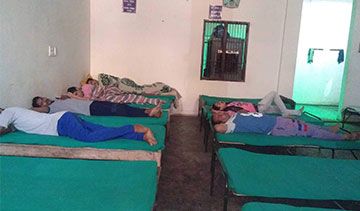
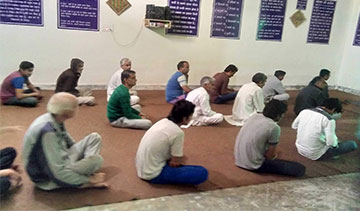
- Structured recovery routines.
- Relapse prevention guidance.
The centre also highlights the availability of doctors and 24-hour nursing support as part of its care approach.
Each individual's treatment requirements should be assessed before deciding on a rehabilitation programme.
How Families Can Support Someone Recovering from Alcohol Addiction
Family support can play an important role in the recovery process. However, helping someone with alcohol dependence requires patience, understanding, and appropriate boundaries.
Here are some practical ways families can provide support.
Communicate Without Judgement
Avoid insults, threats, or constant arguments. Try to have calm conversations that focus on health, safety, and the need for professional support.
Encourage Professional Treatment
If drinking is affecting someone's daily life, encourage them to speak with a healthcare professional or addiction counsellor.
Avoid Enabling Harmful Behaviour
Supporting someone does not mean ignoring the consequences of drinking or repeatedly covering up alcohol-related problems.
Participate in Family Counselling
Family counselling can help relatives understand addiction, improve communication, and manage the emotional challenges associated with recovery.
Recognise Small Improvements
Recovery takes time. Positive changes in behaviour, treatment participation, and daily routines deserve encouragement.
When Should You Contact a Nasha Mukti Kendra?
Many families delay seeking help because they hope the person will stop drinking independently.
However, professional guidance should be considered when:
- Alcohol consumption is increasing.
- The person cannot control drinking.
- Drinking is affecting work or family responsibilities.
- Health problems are developing.
- There are repeated unsuccessful attempts to quit.
- Withdrawal symptoms appear after reducing alcohol.
- The person continues drinking despite serious consequences.
Early assessment can help identify the level of dependence and determine suitable treatment options.
If there are serious withdrawal symptoms, medical attention should be sought immediately rather than waiting for a routine rehabilitation appointment.
Take the First Step Towards an Alcohol-Free Life
Alcohol dependence can affect people from all walks of life and every age group. Alcohol dependence can harm health, relationships, work and emotional well‑being.. Professional treatment and ongoing support can help Alcohol dependence sufferers work towards recovery.
If you or someone in your family is struggling with Alcohol dependence consider talking to a qualified healthcare professional and looking into rehabilitation options.
Naya Savera Nasha Mukti Kendra offers Alcohol addiction counselling and rehabilitation support for individuals and families who want a De Addiction Centre in Karnal.
The centre is based at Behind Anand Cinema, Kabirpur Road, Sonipat, Haryana, and serves individuals from Karnal and other nearby areas. Contact the team to confirm consultation, admission arrangements, and treatment suitability.
Asking for help is not a sign of weakness. It can be the beginning of a healthier future for you and your family.