

Drug and alcohol addiction can creep into your everyday life. When people drink to escape their realities or experiment with drugs to know what the fuss is about but end up being unable to stop, it's a sign of drug addiction. Substance abuse can affect your physical health, relationships, and work and mental health.
What is the take-away? Remember that recovery is achievable and by opening up you have taken a first step. Through professional treatment, counselling, and continuing support you can begin to set up healthier daily activities, with a steadier life.
What you should Know about Drug and Alcohol Addiction Treatment The more information you have about what Drug and Alcohol Addiction Treatment is all about, the more you and your loved ones will be in a position to prepare yourselves to seek the treatment you deserve.
Understanding Drug and Alcohol Addiction
Addiction is not purely a matter of self-control. The effects of taking an addictive substance can influence an individual's behaviour, impact their physical health, generate cravings and alter a person's ability to cope with stress and negative feelings.
They also can affect your heart liver sleep, mood, and relationships. Substance addiction affects you differently according to what the specific type of substance is, how frequently you are using it, and the way it affects you. Substance addiction has both mental and physical effects.
Watch out for the early symptoms of addiction to get treatment in time. The early symptoms of addiction to watch out for are: inability to restrict or control use, failed attempts to quit, neglect of work and responsibilities and persistent use despite adverse consequences.
It's valuable not to be judgmental. Criticising, blaming, and shaming can all be barriers to being able to talk. Patience, understanding, and medical intervention can allow someone to be willing to consider treatment.
What Does Drug and Alcohol Addiction Treatment Involve?
Treatment is not the same for everyone. A suitable programme depends on the substance involved, the person’s health, the severity of dependence and their individual recovery needs.
A structured treatment plan may include the following steps.
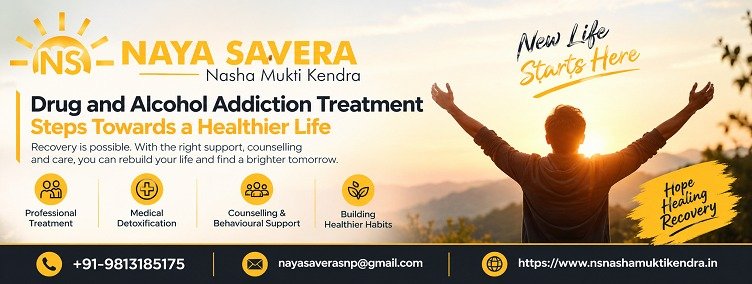
1. Initial Assessment
Begin your care with a client's substance use assessment, as well as a look at their physical, mental, and emotional state, and past attempts at giving up the substance.
2. Medically Supported Detoxification
Some people consider detoxification to be the first good step to recovery. It can be used to make dealing with withdrawal symptoms easier during the detoxification process.
The process of withdrawal it can be dangerous to go through withdrawal from alcohol or certain medications without medical care, so if you're seriously addicted, don't try it alone.
It's only one part of treatment. It won't alone change behavioural, emotional, or social triggers for ongoing use.
3. Counselling and Behavioural Support
It can assist a person to: identify their substance use triggers and patterns of use; and develop positive stress management techniques.
As per treatment outline, support can involve individual counselling, group work, behavioural techniques, as well as techniques for resisting, cravings. This all can help patients to develop new skills as well as work towards sensible recovery goals.
4. Building Healthier Daily Habits
It will take some time to recover. It is learning to do daily activities again. Good sleep, well-balanced diet, physical activity, doing things, which have meaning, and good support systems will help people maintain their well being.
It may be integrated as part of an overall recovery approach but should not be used as a substitute for treatment.
Alcohol Addiction Treatment: Why Professional Support Matters
For some people, drinking gradually becomes difficult to control. They may experience strong urges to drink, develop tolerance or continue drinking despite problems at home, at work or with their health.
Alcohol Addiction Treatment can help individuals understand these patterns and work towards reducing or stopping alcohol use safely.
Treatment may involve medical assessment, supervised withdrawal management when necessary, counselling, relapse-prevention planning and follow-up care. The appropriate approach depends on the person’s drinking history and health.
If someone drinks heavily or regularly and experiences withdrawal symptoms when they stop, they should seek medical advice before suddenly stopping. Alcohol withdrawal can be serious and may require urgent medical attention.
Drug Addiction Treatment: Creating a Path Forward
Other dependencies can relate to many substances and combos, for example: opioids; cannabis; stimulants; some prescribed medicine; each has their impact on your body, and may have distinct withdrawal challenges.
Because of this Drug Addiction Treatment has to be customized rather than a uniform method.
According to the individual's circumstances, there are different types of treatments, such as medical treatment counselling behavioural therapy, family involvement or support for the ongoing recovery. In certain instances of addiction or dependence, some medication can be used and administered suitably under medical supervision.
With enthusiasm, the aim is to get people to realise what their triggers are, suppress their cravings, lessen relapse and discover more appropriate methods of dealing with life's difficulties.
Choosing a Nasha Mukti Kendra in Rohtak
When families look for Nasha Mukti Kendra in Rohtak, then they may have so many doubts about the treatment procedures, safety precautions, rate charges, privacy, and post-treatment procedures.
- Before choosing a centre, consider asking:
- Is there good assessment before starting on treatment?
- How do we manage withdrawal symptoms and medical issues?
- What counselling and behavioural support are accessible?
- Can family members receive guidance where appropriate?
- . Is the plan for follow-up after treatment well defined?
- What are the fees, admission requirements and discharge arrangements?
- Can the centre provide details of its applicable registration and authorisations?
These questions will enable families to understand the services that are being offered and if they are the best fit for the loved one.
How Naya Savera Nasha Mukti Kendra Supports Recovery
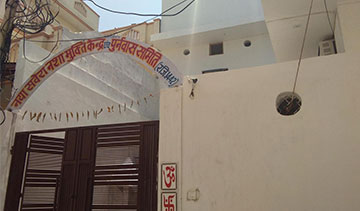
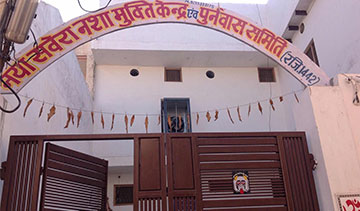
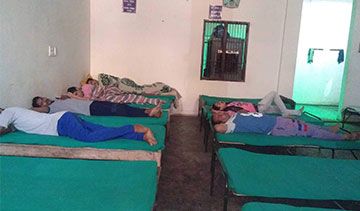
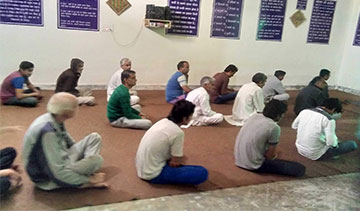
Addiction rehabilitation Naya Savera Nasha Mukti Kendra offers a range of support and treatment services to help with the management of drug or alcohol dependence; detox and individual or group counselling. The published treatment information states that its treatment approach may involve assessment and behavioural support, family support and planning for ongoing recovery.
Rohtak Nasha Mukti Kendra person can get in touch with the centre to make inquiries for the type of treatments provided, the location of the actual treatment, admission process and whether or not the services offered are appropriate. The centre offers its address of Sonipat, Haryana. Please verify the place before planning to visit.
Know more at Naya Savera Nasha Mukti Kendra.
Recovery Is a Process, Not a Single Event
Improvement may involve setbacks as well as improvements. Relapsing back into using is not in itself a reason to believe that all is lost. It could be that the current course of treatment needs revising or that additional treatment is needed.
Through a proper treatment of the illnesses, a few simple but effective coping mechanisms and social support, people can live life more happily and more balanced.
If you are struggling to cut back or stop using alcohol or drugs, talk to a health professional you trust about what steps to take. Remember, help doesn't have to solve all your problems instantly. It can be the beginning of a new life.