

Alcohol use is often treated as a social habit, but for some people, drinking gradually becomes something they struggle to control. It may begin with occasional consumption and slowly affect health, relationships, work, finances, and everyday responsibilities.
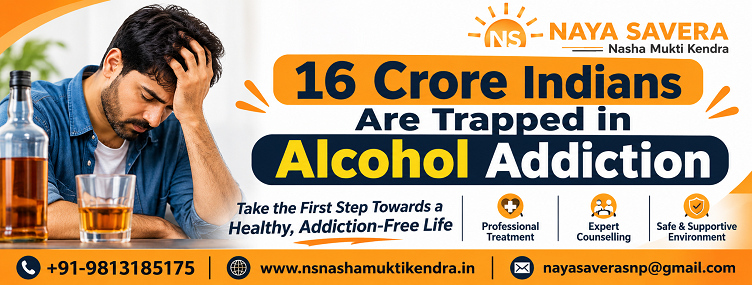
The scale of alcohol use in India deserves serious attention. A national survey conducted in 2018 by the Ministry of Social Justice and Empowerment through AIIMS estimated that around 16 crore people aged 10–75 were current alcohol users. The same survey estimated that more than 5.7 crore people experienced harmful or dependent alcohol use and needed help. These figures describe different levels of alcohol use; they do not mean every person who drinks has an addiction.
When Does Drinking Become Alcohol Addiction?
Alcohol addiction, also called alcohol use disorder, involves difficulty controlling alcohol consumption despite its harmful effects. A person may continue drinking even when it causes problems at home, at work, or with their physical and emotional health.
Some warning signs include:
- Frequently drinking more than intended
- Finding it difficult to reduce or stop drinking
- Spending considerable time drinking or recovering afterwards
- Neglecting family, work, or personal responsibilities
- Continuing despite health or relationship problems
- Experiencing cravings or withdrawal symptoms
Not everyone experiences the same signs. A qualified healthcare professional can assess the situation and recommend appropriate care.
How Alcohol Addiction Affects Daily Life
The effects of alcohol dependence can extend beyond the individual.
Physical health: Long-term harmful drinking can increase the risk of liver disease, digestive problems, cardiovascular complications, and other health concerns.
Mental and emotional well-being: Alcohol use may be associated with sleep disturbances, anxiety, depression, and difficulty managing emotions.
Family relationships: Repeated arguments, broken trust, financial stress, and changes in behaviour can affect family members and close relationships.
Work and finances: Reduced concentration, missed responsibilities, and spending on alcohol can create difficulties in professional and financial life.
Recognising these effects early can make it easier to seek help before the problems become more complicated.
Why Is Alcohol Addiction Treatment Important?
Trying to stop drinking without support can be difficult, particularly for someone who has developed physical dependence. Withdrawal may cause symptoms such as sweating, shaking, nausea, anxiety, and disturbed sleep. In severe cases, it can lead to seizures or delirium and become a medical emergency.
That is why Alcohol Addiction Treatment should begin with a professional assessment. Treatment may involve:
- Medical evaluation: Understanding drinking patterns, health conditions, and withdrawal risks.
- Supervised detoxification: Medical support when withdrawal management is necessary.
- Counselling and therapy: Identifying triggers, changing harmful patterns, and developing coping strategies.
- Family involvement: Helping relatives understand addiction and support recovery in healthy ways.
- Continuing care: Follow-up support to manage cravings, reduce relapse risks, and maintain progress.
Treatment plans differ from person to person. There is no single approach that works for everyone.
How Families Can Support Someone With Alcohol Dependence
Family members often feel frustrated or helpless when someone they care about struggles with alcohol. Blaming, threatening, or shaming the person may make communication harder.
Instead, choose a calm time to express concern, listen without judgement, and encourage a consultation with a qualified professional. If the person has been drinking heavily for a prolonged period, do not encourage sudden unsupervised withdrawal.
If severe withdrawal symptoms occur, seek emergency medical attention.
Taking the First Step Towards Recovery
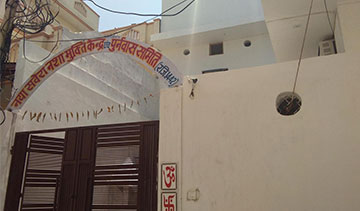
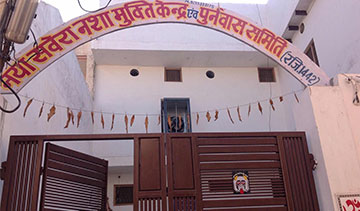
At Naya Savera Nasha Mukti Kendra, individuals and families can enquire about support for addiction-related concerns and discuss suitable treatment options.
If alcohol use is affecting your health or relationships, seeking professional guidance is a meaningful first step. Visit Naya Savera Nasha Mukti Kendra to learn more and enquire about available support.
Alcohol addiction is a treatable health condition, not a personal failure. With appropriate medical care, counselling, and continued support, recovery is possible.