


Taking the first step towards recovery from alcohol or drug dependence can feel challenging for both individuals and their families. Questions about withdrawal, medical care, treatment duration, and life after recovery are common. Understanding the process can help patients make informed decisions and approach treatment with greater confidence.
Detoxification is often an important early stage of addiction treatment. It focuses on helping the body manage the effects of stopping or reducing alcohol or other substances under appropriate medical supervision. However, detox alone is not a complete solution to addiction. Long-term recovery may also require counselling, behavioural therapy, family involvement, and ongoing support.
For individuals exploring a Detoxification Treatment programme in Gurgaon, knowing what to expect can make the journey less overwhelming.
What Is Detoxification Treatment?
Detoxification is the process of managing withdrawal symptoms that may occur when a person who has developed dependence on a substance stops using it or significantly reduces consumption. The experience varies according to the substance, duration of use, amount consumed, and the individual's overall health.
Some people may experience anxiety, sleep disturbances, sweating, nausea, irritability, or changes in appetite. In certain cases, withdrawal can lead to serious complications, including seizures or severe confusion. This is why medical assessment is important before starting treatment.
A supervised detox programme aims to assess the patient's condition, monitor withdrawal symptoms, provide appropriate medical care, and identify the next steps in recovery. Treatment should be personalised rather than based on a single approach for every patient.
Why Is Medical Supervision Important During Detox?
Stopping certain substances suddenly can be dangerous, particularly for people with long-term alcohol dependence or dependence on specific medications. Withdrawal symptoms may become severe even when a person initially feels relatively well.
Medical professionals can evaluate the patient's history, current symptoms, physical health, and potential risk factors. Based on this assessment, they may recommend monitoring, medication, supportive care, or a higher level of medical treatment when necessary.
Medical supervision can help with:
- Assessing the severity of dependence and withdrawal risks.
- Monitoring physical and psychological symptoms.
- Providing appropriate treatment when clinically indicated.
- Identifying complications that require urgent medical attention.
- Planning further addiction treatment after withdrawal stabilises.
Patients should not attempt to manage potentially dangerous withdrawal symptoms alone. Severe confusion, seizures, difficulty breathing, or loss of consciousness require emergency medical assistance.
What Happens During a Detox Programme?
The exact process depends on the patient's needs, medical history, and substance use pattern. However, treatment generally involves several important stages.
1. Initial Assessment
The process usually begins with an assessment of the patient's substance use history, physical health, mental health, medications, and previous withdrawal experiences. This information helps the healthcare team understand the level of care required.
Patients should share accurate information about their substance use and existing health concerns. Honest communication helps clinicians plan safer and more appropriate treatment.
2. Withdrawal Management
During this stage, the care team monitors symptoms and provides treatment according to the patient's condition. Medication may be required in some cases, while other patients may need supportive care and observation.
The duration and intensity of withdrawal management vary. There is no single timeline that applies to everyone, so treatment should be guided by clinical assessment rather than a fixed promise.
3. Stabilisation and Recovery Planning
As withdrawal symptoms improve, the focus shifts towards the patient's next stage of recovery. This may include counselling, psychological assessment, treatment for co-occurring mental health concerns, and planning for continued care.
Detoxification addresses the immediate physical effects of stopping substance use. Continued treatment helps patients work on the emotional, behavioural, and environmental factors that can contribute to addiction.
How to Choose a Suitable De-Addiction Centre in Gurgaon
Selecting a treatment facility is an important decision. Patients and families should look for appropriate medical oversight, transparent treatment information, qualified professionals, and an individualised care plan.
When comparing De-Addiction Centres in Gurgaon, consider the following factors:
- Medical assessment: The centre should explain how patients are evaluated before treatment begins.
- Withdrawal management: Ask who supervises detoxification and how medical complications are handled.
- Qualified professionals: Understand the roles of doctors, counsellors, nurses, and other members of the treatment team.
- Individual treatment planning: Care should reflect the patient's substance use history, physical condition, and psychological needs.
- Counselling and rehabilitation: Ask how the programme supports recovery after the initial detox stage.
- Family guidance: Where appropriate and with the patient's consent, family education can help build a more supportive recovery environment.
- Aftercare planning: Find out how continued treatment, follow-up, and relapse prevention are addressed.
A centre's suitability should be judged by its care standards and the patient's clinical needs, not by promotional claims alone.
Understanding Treatment at a Rehab Centre in Gurgaon
Detoxification is often only the beginning of a broader recovery process. After withdrawal is managed, patients may benefit from structured rehabilitation that addresses the reasons behind substance use and helps them develop healthier coping strategies.
A suitable Rehab Centre in Gurgaon may offer individual counselling, group sessions, behavioural therapies, family guidance, and relapse-prevention planning, depending on its facilities and clinical team.
Treatment may also involve support for anxiety, depression, sleep problems, or other concerns that occur alongside addiction. These issues should be assessed by qualified professionals rather than ignored during recovery.
The right treatment plan can help patients recognise triggers, manage cravings, rebuild daily routines, and strengthen their support systems. Recovery is different for every individual, and progress may require ongoing care.
Supporting a Loved One Through Treatment
Family members often want to help but may be unsure what to say or do. A calm, respectful approach can make it easier for someone to discuss treatment without feeling judged.
Families can support recovery by encouraging professional assessment, learning about addiction, helping the individual attend appointments, and maintaining realistic expectations. Blame, threats, and unrealistic promises may make communication more difficult.
It is also important for relatives to understand that recovery is a process. Progress can take time, and professional guidance may be needed if the person experiences cravings or returns to substance use.
Whenever possible, family involvement should respect the patient's privacy, preferences, and dignity.
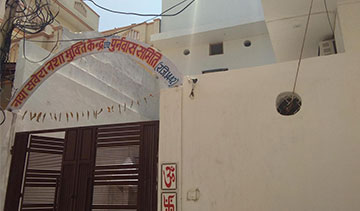
Detoxification and Long-Term Recovery at Naya Savera Nasha Mukti Kendra
For individuals and families exploring addiction treatment in nasha mukti near me can be a starting point for enquiries about available treatment options and recovery support.
Before selecting a programme, patients should confirm the centre's medical supervision arrangements, assessment process, available therapies, and approach to withdrawal management. It is also important to understand which services are provided directly and when referral to a hospital or specialist may be necessary.
A treatment plan should be based on the patient's individual condition. Detoxification, counselling, rehabilitation, and continued support may all play different roles in helping a person move towards recovery.
Learn more through the rehabilitation centres near me and contact the centre to discuss available services and the next steps for seeking professional help.
Taking the First Step Towards a Healthier Future
Seeking help for addiction is a meaningful step, even when the process feels uncertain. Understanding withdrawal risks, choosing appropriate medical support, and planning for continued treatment can help patients and families approach recovery more safely.
Detoxification should be treated as the beginning of care rather than the final destination. With suitable professional guidance, individualised treatment, and ongoing support, patients can work towards healthier routines and long-term recovery.
Government Nasha Mukti Kendra: +91-9813185175