


Rehab Counselling at a Nasha Mukti Kendra
Rehab counselling is a support process that helps people who are dealing with alcohol or drug addiction to understand their patterns of substance use to manage cravings and triggers to improve coping skills and to work toward recovery. At a Nasha Mukti Kendra Rehab counselling is usually part of a rehabilitation programme, tailored to each person’s individual needs.
What Is Rehab Counselling?
Rehab counselling involves advice, emotional support and guidance for people who are experiencing problems with alcohol or drug use. The aim is not just to tell a person to stop using substances but to help them understand why they use substances what triggers their use and how to develop ways of dealing with difficult situations.
Types of Addiction That May Require Rehab Counselling
Rehab counselling may help people who are experiencing types of substance use problems. Depending on each person’s needs and the services offered at a Nasha Mukti Kendra, Rehab counselling and recovery support may address:
- Alcohol Addiction
- Drug Addiction
- Opioid Addiction
- Cocaine Addiction
- Cannabis Addiction
- Prescription Drug Addiction
- Tobacco/Nicotine Addiction
How Is Counselling Done at a Nasha Mukti Kendra?
1. Initial Counselling and Assessment
A counsellor may first talk about the persons history with substances their schedule, their family situation past attempts to stop using, cravings and what they want to achieve in recovery. This helps find the areas that might need help.
2. One-to-One Counselling
Individual counselling gives a person a place to talk about their personal problems, feelings, cravings, stress and the difficulties that come with addiction.
3. Identifying Triggers
Counselling may help find the situations that make a person want to use alcohol or drugs like stress, certain people, places, emotional problems or social events.
4. Behavioural Support
A counsellor may help the person find ways to deal with cravings, stress and tough emotions. Behavioural methods can also help change the habits that are linked to using substances.
5. Group Counselling
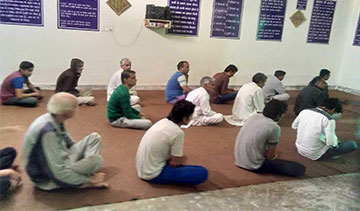
Group meetings let people who are recovering talk about the problems learn from each other and practice better communication and support skills in a planned setting.
6. Family Counselling
Addiction can hurt family relationships. Family counselling may help family members understand the process of getting better improve how they talk to each other and find ways to help the person in a way.
7. Relapse-Prevention Counselling
Before and after finishing treatment counselling may focus on seeing signs handling things that lead to using again and making a real plan for times when cravings or the chance of going back, to using might happen.
What Does a Counsellor Help With?
Rehab counselling may help a person:
- Understand their substance-use behaviour
- Manage cravings and triggers
- Develop healthier coping strategies
- Handle stress and difficult emotions
- Improve communication and relationships
- Build motivation for recovery
- Develop a healthier daily routine
- Prepare for life after rehabilitation
- Create a relapse-prevention plan
Rehab Counselling and Recovery
Counselling is usually one part of addiction treatment, rather than a standalone solution. Depending on the person's condition and the services available at the centre, a recovery programme may also involve medical assessment, withdrawal management, behavioural therapy, family support, structured activities and aftercare.
The counselling approach should be individualised, because every person's substance use, recovery needs and circumstances are different.
Simple Recovery Process
Assessment → Individual Counselling → Group/Family Support → Behavioural Guidance → Relapse Prevention → Aftercare