

Finding a Nasha Mukti Kendra in Rohtak is often not the first step people take when they are looking for addiction treatment.
Usually, there is a long period of hesitation before that. A person may try to stop drinking or using substances on their own. Family members may try conversations, promises or even pressure. Sometimes things improve for a while.
Then the problem returns.
That is one reason professional addiction treatment focuses on more than simply stopping substance use. Recovery involves understanding dependence, managing withdrawal, rebuilding daily routines and developing ways to remain substance-free after treatment.
What Happens at a Nasha Mukti Kendra?
There isn't one identical treatment plan for everyone. A person's substance use, physical health, mental well-being, duration of dependence and previous attempts at recovery can all influence the approach.
Treatment may begin with an assessment. The clinical team typically looks at the person's history and current condition before deciding what level of support is appropriate. This is important because suddenly stopping certain substances can cause serious withdrawal complications and may require medical supervision. The first goal is therefore safety.
Detoxification Is Only the Beginning
Detox is often what people associate with rehabilitation. It is certainly an important stage, but it isn't the whole treatment.
During detoxification, the body adjusts to the absence of the substance. Depending on what was used and how heavily, withdrawal may involve symptoms such as anxiety, sweating, sleep problems, nausea, irritability or strong cravings.
Some forms of withdrawal can be medically dangerous. That is why attempting detox without appropriate professional guidance isn't always advisable.
Once the immediate withdrawal phase is managed, treatment can shift toward the reasons behind the addiction and the skills required for long-term recovery.
Counselling and Behavioural Support
This is where rehabilitation becomes more personal.
Why did substance use become difficult to control?
Was it connected to stress, trauma, social pressure, emotional difficulties or an environment where substance use was common? Counselling can help individuals recognise triggers and understand patterns that keep addictive behaviour going.
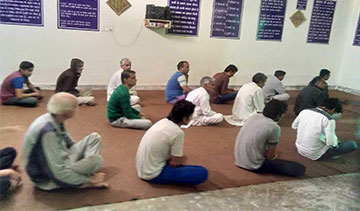
Individual counselling provides space for personal concerns, while group sessions can help people realise they aren't dealing with the problem alone. Family counselling may also be useful. Addiction affects households, not just individuals.
A Typical Recovery Journey
Recovery doesn't always follow a straight line. A residential treatment programme may include several stages:
Assessment → Detoxification → Counselling → Behavioural therapy → Routine building → Relapse-prevention planning → Aftercare
The exact sequence and duration can vary.
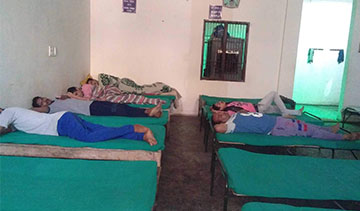
During residential treatment, a structured daily routine can help individuals step away from environments and situations that may encourage substance use. Regular meals, sleep, counselling, physical activity and monitored routines can provide stability while recovery begins.
The aim isn't to create dependence on the centre. It is to help the individual eventually manage life outside it.
How Long Does Treatment Take?
There is no universal treatment duration.
Some people may need short-term medical stabilisation, while others benefit from a longer residential programme. The appropriate duration depends on factors such as the severity of dependence, withdrawal risk, co-existing mental-health concerns, family environment and progress during treatment.
A longer stay isn't automatically better. A programme should be long enough to address the individual's needs and prepare them for continuing recovery after discharge.
What Should Families Look For?
Choosing a rehabilitation centre is an important decision.
Families should look beyond claims about quick recovery and ask practical questions instead.
Is medical supervision available when required?
Are qualified professionals involved?
What counselling and therapy approaches are offered?
How is relapse prevention handled?
What happens after discharge?
These questions can reveal much more about a treatment programme than promotional claims. It is also worth checking whether the facility maintains a safe, respectful and structured environment. Recovery works better when the person feels supported rather than judged.
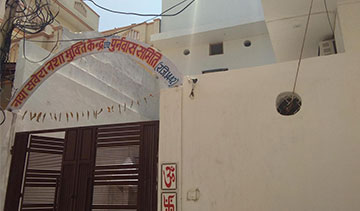
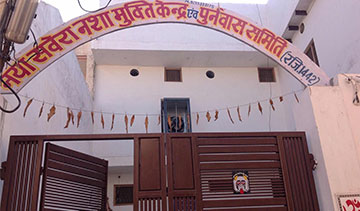
Naya Savera Nasha Mukti Kendra
For families exploring a Nasha Mukti Kendra in Rohtak, Naya Savera Nasha Mukti Kendra provides information about addiction rehabilitation and recovery support through its official website.
Anyone considering treatment should discuss the individual's circumstances directly with qualified professionals and understand what services, medical support and aftercare are actually available before choosing a programme.
Because rehabilitation isn't about putting someone away until the cravings disappear.
It is about helping them understand the addiction, regain stability and develop the ability to live without depending on a substance.
Recovery Doesn't End at Discharge
Leaving a rehabilitation centre can feel like the finish line.
It isn't. Returning to work, family life and familiar surroundings can bring back old triggers. Continued counselling, family support, healthy routines and relapse-prevention strategies can therefore play an important role after residential treatment.
And if a setback happens, it doesn't necessarily mean that recovery has failed.
Addiction is treatable, but recovery takes ongoing effort. The most useful question isn't simply, “How quickly can someone recover?”
It is:
“What kind of support will help this person stay in recovery when treatment is over?”